Sweden's Licensing Rules and Their Direct Influence on Live Roulette Payout Timelines at Mobile-First Platforms
Viktor Coleman · Aug 23, 2026
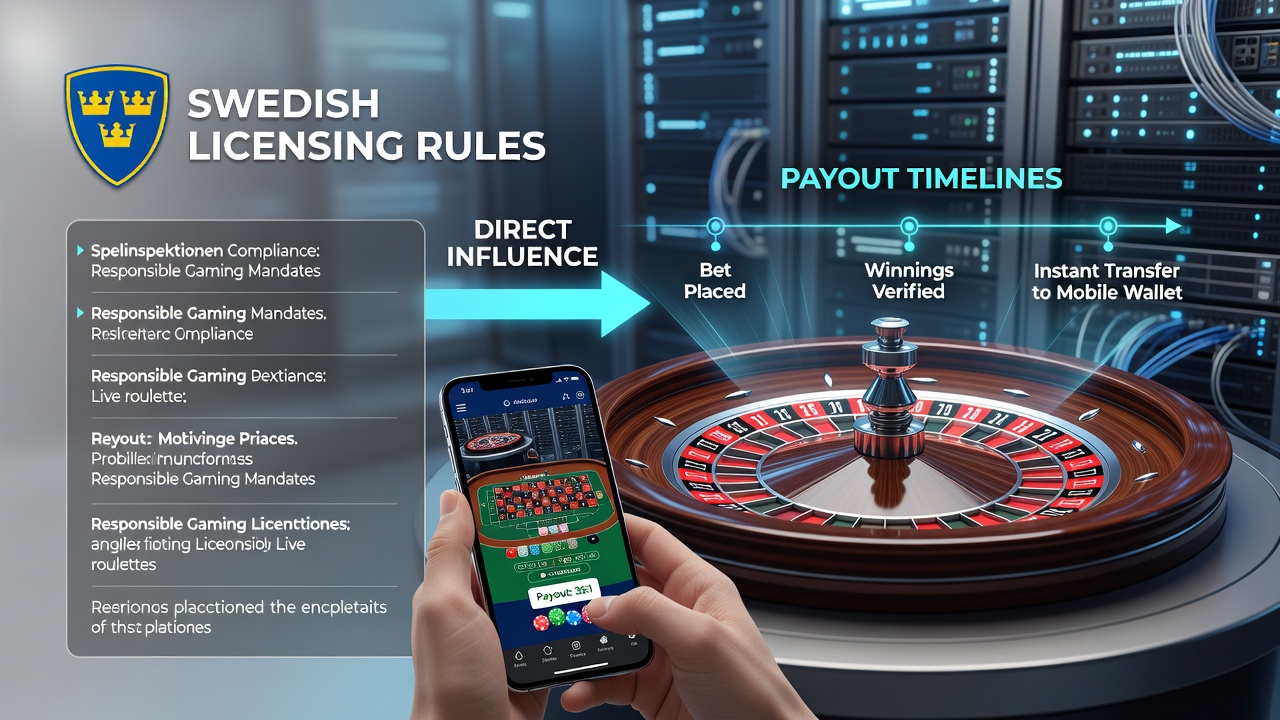
Sweden's Licensing Rules and Their Direct Influence on Live Roulette Payout Timelines at Mobile-First Platforms
Sweden's gambling market operates under the 2019 Gambling Act, which established the Spelinspektionen as the sole licensing body for operators seeking to serve Swedish players. Licensed entities must follow strict protocols that cover everything from game fairness to financial transactions, and these requirements extend directly to live roulette offerings on platforms optimized for mobile devices. Observers note that the licensing framework creates standardized procedures for handling winnings, which in turn shapes how quickly players receive funds after a session ends.Core Licensing Requirements and Transaction Oversight
Operators granted a Swedish license agree to maintain segregated player accounts and implement verification systems that confirm identity before any payout occurs. This process typically involves cross-checking personal details against official records, and data from regulatory filings shows that such checks form the initial bottleneck in many withdrawal sequences. Live roulette sessions conducted on mobile-first sites fall under the same umbrella, meaning every spin and subsequent win must route through these controlled financial channels.
Spelinspektionen mandates that winnings be paid out without unreasonable delay once verification clears, yet the exact window depends on factors like payment method and account status. Research indicates that most compliant platforms process standard requests within one to three business days, although live dealer games can trigger additional scrutiny because of higher average bet volumes. Those who've examined operator compliance reports find that mobile platforms often integrate automated tools to flag large roulette payouts for manual review, which adds a layer of oversight required by the license terms.
Mobile Platform Adaptations to Regulatory Timelines
Mobile-first operators must design their withdrawal interfaces to meet the same standards applied to desktop versions, including real-time status updates and secure authentication steps that align with Swedish data protection rules. Figures from industry analyses reveal that platforms prioritizing mobile traffic have accelerated their KYC workflows in recent years to avoid license violations. By August 2026, several operators had introduced biometric login options on smartphones, which reduced the average verification time for returning players engaged in live roulette.
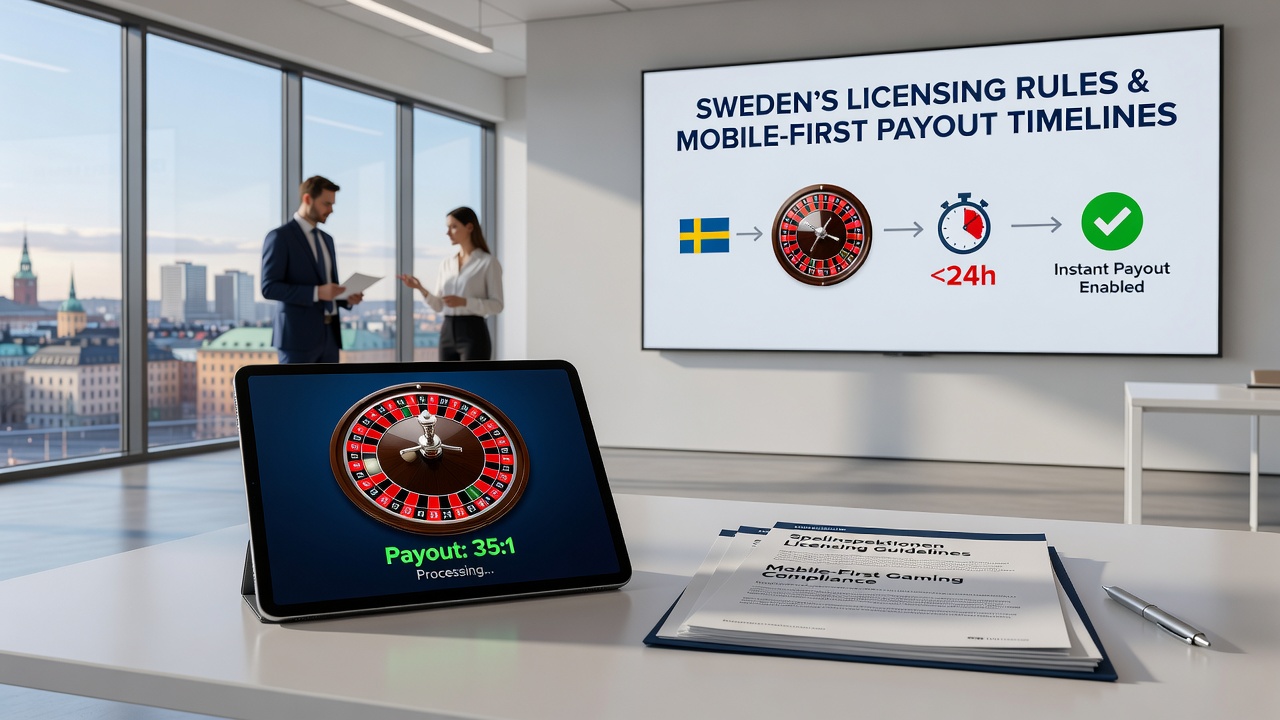
Payment providers integrated into these platforms face parallel obligations, since the license holder remains responsible for ensuring funds reach players promptly. E-wallets tend to clear faster than bank transfers under the regulated system, and statistics compiled by European gaming associations confirm that mobile users selecting instant methods experience shorter overall timelines. Yet operators cannot bypass the mandatory cooling-off periods or responsible gambling checks embedded in the licensing conditions, even when a roulette session concludes with a substantial win.
Verification Steps and Their Effect on Live Roulette Payouts
Every licensed site must maintain audit trails for all transactions, which regulatory audits periodically examine to confirm adherence to payout schedules. One study of Swedish market data highlighted that live roulette accounts for a notable share of high-value withdrawals, prompting platforms to allocate dedicated compliance teams for these cases. The result appears in extended review windows when unusual betting patterns emerge during mobile sessions, although standard play rarely triggers such holds.
According to records maintained by the Swedish authority, repeated delays beyond established guidelines can lead to corrective measures against the operator. Mobile-first platforms therefore prioritize streamlined backend processes that keep payout queues moving, while still satisfying every licensing criterion around player fund protection. External sources such as the Spelinspektionen annual reports document how these controls have evolved since the market opened to competition.
Comparative Regulatory Influences Across Jurisdictions
Sweden's approach shares similarities with frameworks in other regions, including oversight models used by Canadian provincial regulators and Australian state commissions, which also emphasize timely settlement of winnings. Observers tracking cross-border operator behavior note that companies licensed in multiple markets often apply their strictest internal timelines to Swedish traffic to maintain compliance. This harmonization helps explain why mobile roulette payout experiences can feel consistent for players even when the underlying platform serves several regulated territories.
Industry reports from research institutions further indicate that the combination of license conditions and mobile technology has reduced average processing times across the Swedish market since 2019. Live roulette benefits particularly because real-time game data feeds directly into automated monitoring systems that flag issues before payout requests are submitted.
Conclusion
Sweden's licensing regime establishes clear expectations around payout handling that mobile-first platforms must meet when offering live roulette. The rules require verification, auditability, and prompt settlement once conditions are satisfied, creating a structured environment where timelines remain predictable for compliant operators. Data from regulatory sources and market analyses continues to show how these requirements shape day-to-day transaction flows without introducing unnecessary friction for players who follow standard account procedures.