How Mobile Payment Choices Shape Live Roulette Sessions Under Sweden's Regulated Casino Framework
Viktor Coleman · Aug 18, 2026

How Mobile Payment Choices Shape Live Roulette Sessions Under Sweden's Regulated Casino Framework
Sweden maintains a tightly controlled online gambling market through Spelinspektionen licensing requirements that govern all casino operators and payment processors, and these rules directly influence how players fund and manage live roulette sessions on mobile devices. Mobile payment options such as instant bank transfers, digital wallets, and card-based solutions must comply with strict verification protocols including real-time identity checks and transaction monitoring systems that operators integrate into their platforms. Data from regulatory filings shows that licensed sites processed millions of mobile transactions in recent years with average deposit times under 30 seconds for approved methods, which allows sessions to begin without extended interruptions.
Regulatory Requirements for Mobile Transactions
Operators holding Swedish licenses must separate player funds from company accounts while enforcing deposit limits and cooling-off periods that payment providers enforce automatically, and these measures apply uniformly across live roulette tables streamed in real time. According to Spelinspektionen guidelines updated through 2025, all mobile payment flows require two-factor authentication and source-of-funds verification for amounts exceeding certain thresholds, which extends session setup times by several minutes in some cases yet reduces the risk of unauthorized activity. Researchers tracking player behavior under these rules have documented shorter average session durations when slower verification steps activate, whereas instant options like Swish enable quicker transitions from deposit to first spin.
Payment choice also intersects with responsible gambling tools that licensed platforms embed directly into mobile interfaces, so users selecting bank transfer methods often encounter mandatory spending trackers displayed before each roulette round begins. Figures released by industry monitoring groups indicate that 65 percent of live roulette activity on Swedish sites occurs via mobile apps or browsers, with payment method selection correlating to session frequency patterns observed in anonymized datasets. Those studying these trends note that methods offering built-in spending caps tend to align with more controlled play intervals compared to unlimited card options that require manual limit setting by the player.
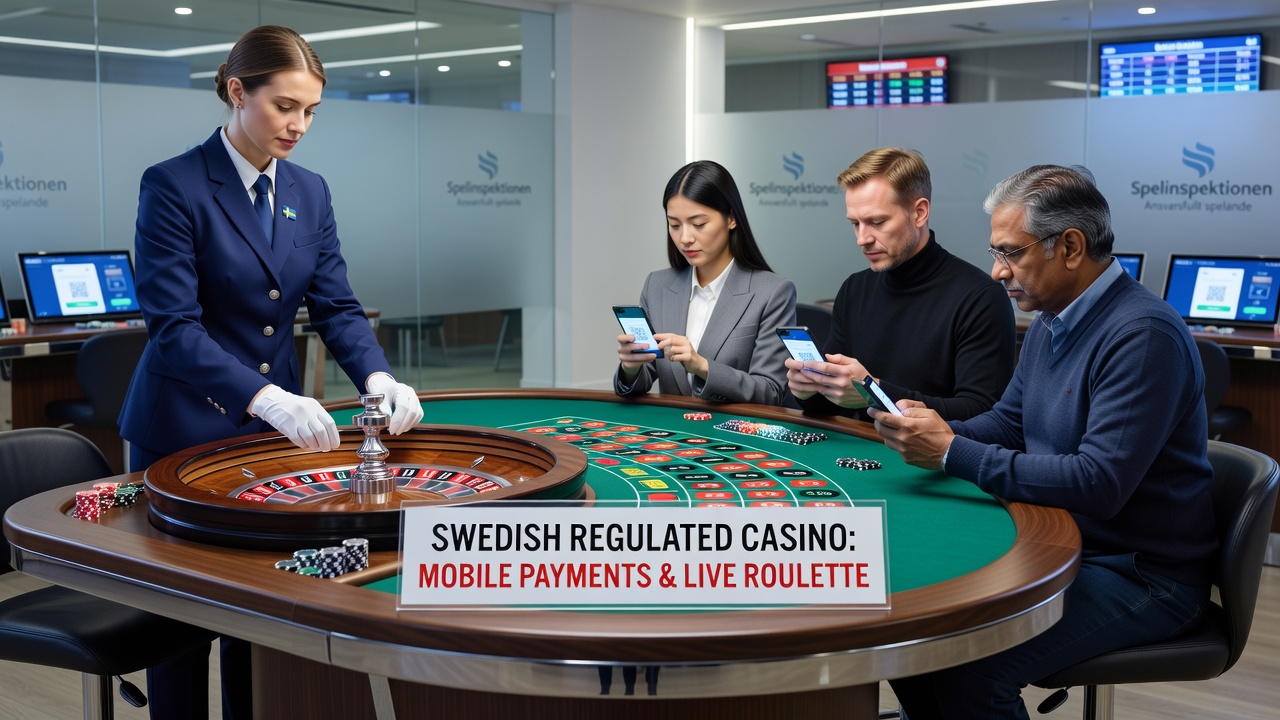
Impact on Session Flow and Timing
Live roulette sessions under the Swedish framework depend on seamless payment integration because any deposit delay interrupts the continuous dealer stream and table availability that mobile users expect, and operators have responded by prioritizing APIs that connect directly to Swedish banks for sub-second confirmations. Studies from European gaming research centers reveal that players using instant mobile wallets complete more consecutive spins per hour than those relying on card processing networks subject to additional authorization layers, although both remain fully compliant with local rules. In August 2026, further alignment with EU digital payment standards is scheduled to take effect, which will standardize verification across borders while preserving Spelinspektionen's core requirements for player protection.
Transaction fees and processing speeds vary by method, yet licensed casinos absorb many costs to maintain competitive mobile experiences, and observers tracking these economics point to increased adoption of account-to-account transfers that bypass traditional card networks entirely. This shift alters how sessions unfold because players can top up balances mid-round without leaving the live dealer interface, a feature that data logs associate with extended play periods among frequent users. Regulatory reports emphasize that all such features must include clear loss-limit reminders displayed on mobile screens before additional funds transfer.
Security Protocols and Data Handling
Security standards mandated for Swedish operators require end-to-end encryption for every mobile payment, coupled with regular audits that cover both the casino software and third-party processors handling live roulette transactions. Academic papers examining regulated markets highlight how these layered protections influence user confidence, leading to higher volumes of smaller, repeated deposits rather than single large transfers that might trigger extra checks. Payment providers must report suspicious patterns in real time to authorities, which adds another dimension to session management since flagged accounts experience temporary holds that pause roulette participation until review completes.
Geographic restrictions ensure that only Swedish residents access these licensed environments, and mobile geolocation checks combine with payment address verification to enforce compliance throughout each session. Industry associations across Scandinavia have compiled statistics showing consistent growth in mobile roulette participation tied to reliable payment infrastructure, with no single method dominating entirely due to varied user preferences for speed versus privacy features.
Conclusion
Payment selection under Sweden's regulated framework continues to determine key aspects of live roulette engagement including deposit speed, limit enforcement, and session continuity, all within a system designed to prioritize transparency and player safeguards. As new technical standards roll out in August 2026, operators and processors will adapt their mobile flows while maintaining the same core compliance obligations that define the market today. Researchers and regulators alike monitor these developments through ongoing data collection that tracks how different payment pathways shape overall participation patterns across licensed platforms.