Decoding How Swedish Licensing Shapes Roulette Bonus Structures and Mobile Strategy Tools
Yara Long · Aug 21, 2026
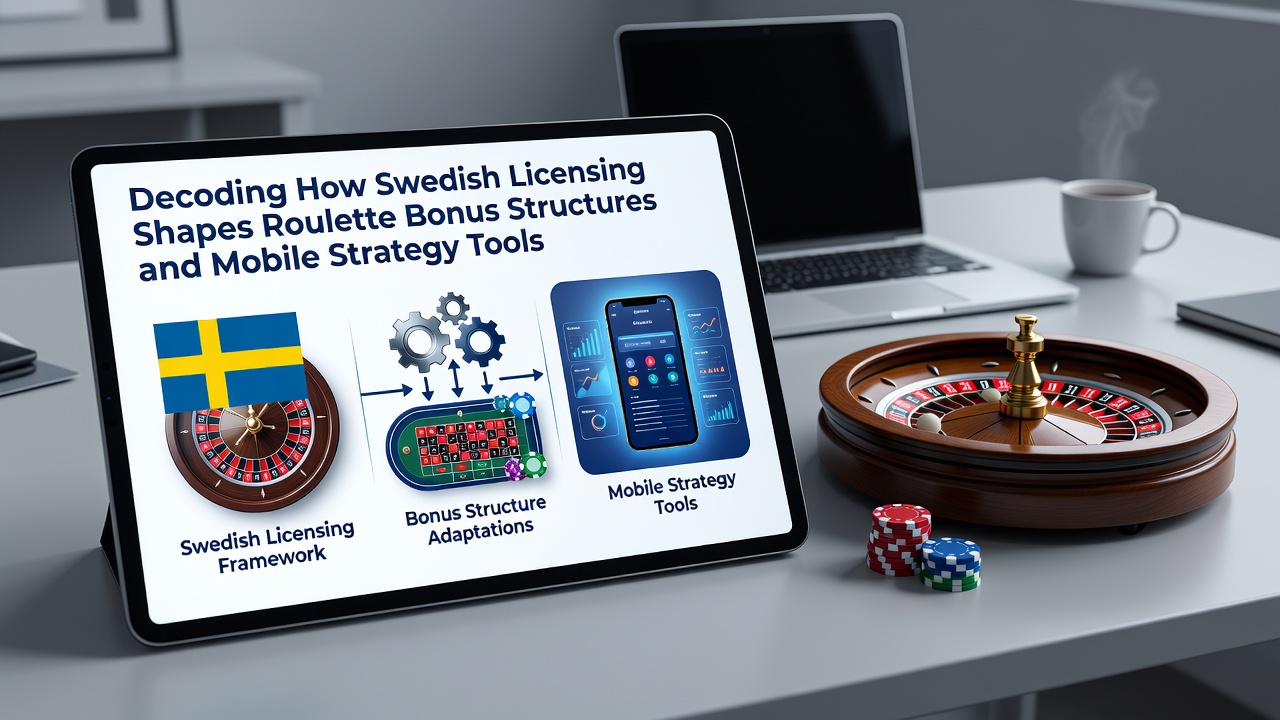
Decoding How Swedish Licensing Shapes Roulette Bonus Structures and Mobile Strategy Tools
Swedish licensing through the Spelinspektionen authority establishes clear parameters for online roulette operations that directly influence how operators construct bonus offerings and develop mobile strategy tools, with rules updated progressively through 2026. Observers note that these regulations prioritize player protection while defining specific limits on promotional mechanics and digital interfaces used for gameplay analysis.
Core Elements of the Swedish Licensing System
The framework requires all operators targeting Swedish players to hold a license that enforces transparency in bonus terms and mobile application features, including mandatory responsible gambling prompts integrated into roulette interfaces. Data from Spelinspektionen shows that licensed platforms must cap bonus values and restrict wagering requirements on roulette variants, which shapes the types of deposit matches and free spin packages available to users. Researchers have documented how these constraints encourage operators to focus on time-limited promotions rather than unlimited cashback structures common in less regulated markets.
Effects on Roulette Bonus Structures
Bonus designs under Swedish rules typically feature lower maximum amounts and shorter validity periods compared to international alternatives, because licensing conditions prohibit bonuses that lock player funds for extended durations. Figures reveal that many licensed sites offer roulette-specific incentives like percentage-based deposit bonuses capped at a few thousand kronor, paired with playthrough obligations that align with overall market caps. Those who have examined operator reports note that mobile-optimized bonuses often include device-specific triggers, such as notifications for live roulette sessions accessed via apps, which help maintain compliance while encouraging engagement within regulated boundaries.
Integration of Mobile Strategy Tools
Mobile strategy applications connected to licensed roulette platforms incorporate built-in limit-setting functions and session trackers that comply with Spelinspektionen guidelines, allowing players to monitor bet patterns and time spent without external software. Studies from academic institutions in Scandinavia indicate that these tools frequently embed risk assessment algorithms that adjust recommendations based on individual play history, ensuring that strategy suggestions remain within the boundaries of responsible gaming mandates. And because licensing demands audit trails for all promotional content, developers build mobile interfaces that display bonus eligibility in real time alongside strategy metrics.

Operators have adapted by creating unified dashboards where bonus progress and mobile strategy data appear together, reducing the need for separate applications that might fall outside licensed oversight. What's interesting is how these combined systems handle live dealer roulette sessions, where real-time strategy overlays must respect rules against automated betting assistance that could violate fair play standards.
Regulatory Updates and Market Adjustments Around August 2026
Changes effective in August 2026 introduced stricter reporting requirements for mobile tools that track bonus usage, compelling providers to enhance data encryption and user consent protocols across roulette platforms. Reports from European gaming associations highlight that these updates led to widespread revisions in how operators present bonus structures on mobile devices, with emphasis on clear disclosure of terms before any deposit activates a promotion. People familiar with the sector observe that roulette variants now feature mobile-exclusive strategy aids limited to informational displays rather than predictive functions, aligning with the authority's focus on skill-based decision making over automated advantages.
Comparative Influences from Broader European Standards
Swedish rules intersect with wider EU directives on digital gambling, which affects how bonus structures incorporate cross-border player data while maintaining national licensing specificity. Industry research from Canadian gaming bodies shows parallels in mobile tool development, where similar emphasis on transparency leads to standardized interfaces that display both bonus conditions and strategy statistics in a single view. Yet operators licensed in Sweden continue to differentiate their offerings through localized mobile features that account for currency conversions and regional responsible gambling links embedded directly in roulette apps.
Conclusion
Swedish licensing continues to define the boundaries for roulette bonus structures and mobile strategy tools by mandating compliance features that prioritize clarity and player safeguards, resulting in standardized yet adaptable systems across licensed platforms. Data indicates sustained evolution in these areas as operators respond to regulatory refinements, with mobile integrations serving as the primary channel for delivering compliant promotional and analytical experiences. Those monitoring the market note ongoing alignment between bonus mechanics and digital tools that together support regulated access to roulette games.